


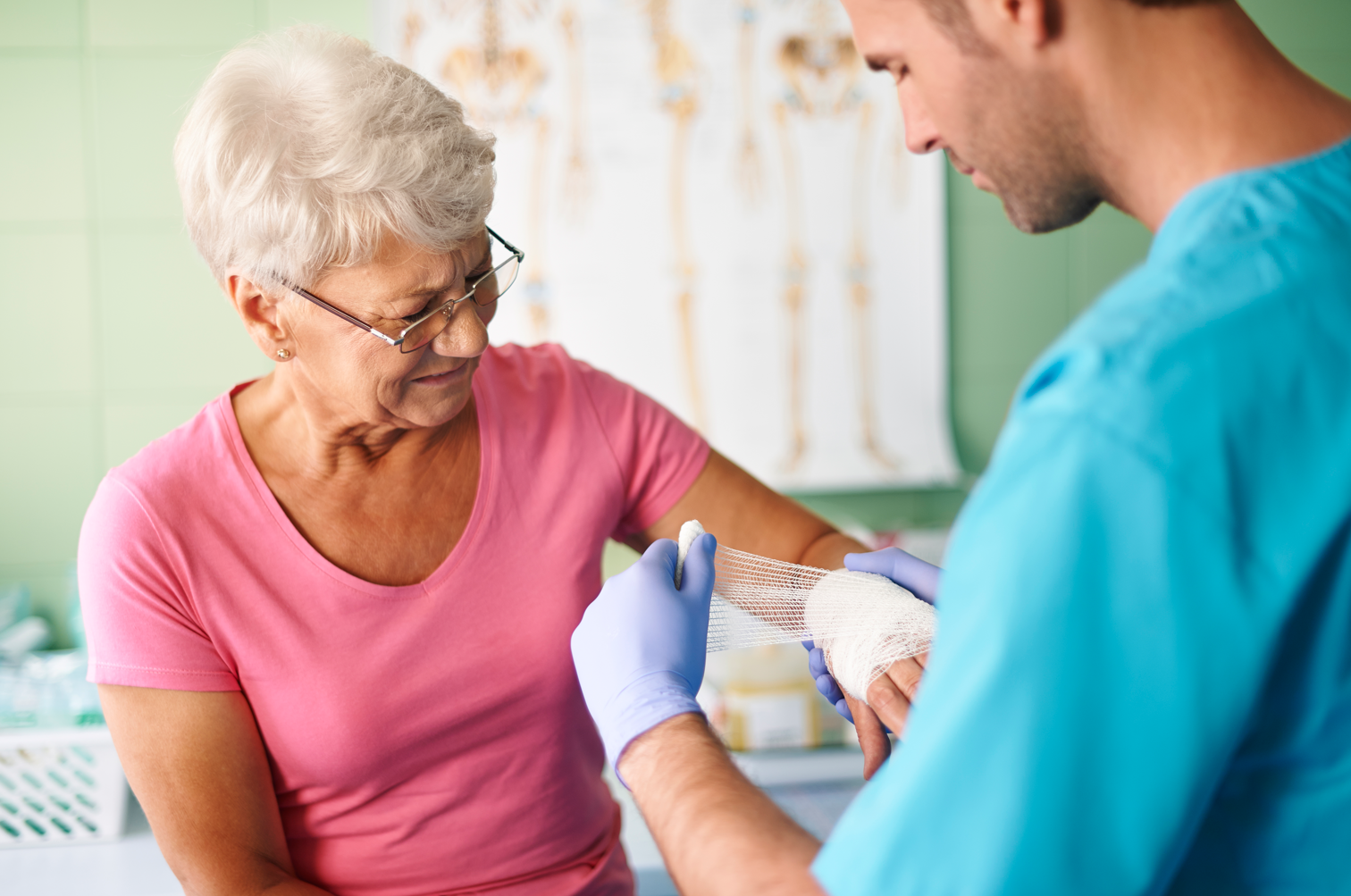
As the population ages, more individuals are living with chronic conditions, mobility limitations, and complex medical needs. For homebound and elderly patients, accessing consistent and high-quality wound care can be challenging. Mobile wound care services address this gap by bringing professional treatment directly to the patient’s home. This care model not only improves healing outcomes but also enhances comfort, safety, and overall quality of life.
In this blog post, we’ll discuss the advantages of mobile wound care for homebound and elderly patients. Read on!
Improving Access to Specialized Wound Treatment
Mobile wound care eliminates many of the barriers that prevent elderly and homebound patients from receiving timely treatment. Transportation difficulties, long wait times at clinics, and physical strain often delay care, increasing the risk of complications. By providing in-home services, mobile wound care ensures patients receive prompt, specialized attention without leaving their residence. This improved access is especially important for managing chronic wounds, pressure injuries, and post-surgical sites that require frequent monitoring.
Promoting Faster and More Consistent Healing
Consistent care is critical to successful wound healing, and mobile wound care supports regular assessments and timely interventions. Clinicians can evaluate wounds in the patient’s natural living environment, identifying factors such as mobility challenges, bedding conditions, or hygiene concerns that may affect recovery. With frequent visits and personalized treatment plans, mobile wound care helps reduce setbacks and supports steady healing progress.
Reducing the Risk of Infections and Complications
For elderly patients, wounds can quickly become serious if not managed properly. Mobile wound care professionals follow strict clinical protocols, ensuring wounds are cleaned, dressed, and monitored correctly at each visit. Early detection of infection signs allows for rapid adjustments to treatment, helping prevent hospitalizations or emergency care. This proactive approach is especially beneficial for patients with diabetes, poor circulation, or compromised immune systems.
Enhancing Comfort and Emotional Well-Being
Receiving care at home offers a level of comfort that clinical settings often cannot provide. Familiar surroundings reduce stress and anxiety, which can positively influence healing and overall health. Elderly patients may feel more relaxed and engaged when treated at home, leading to better cooperation with care plans. This personalized attention also fosters trust between patients and providers, improving satisfaction and emotional well-being.
Supporting Independence and Quality of Life
Mobile wound care allows patients to remain in their homes while still receiving professional medical support. Maintaining independence is particularly important for elderly individuals who value autonomy and routine. By avoiding frequent clinic visits or extended hospital stays, patients can continue daily activities at their own pace. This balance between medical care and personal independence significantly enhances quality of life.
Assisting Family Members and Caregivers
Caring for a loved one with chronic or complex wounds can be overwhelming for family members. Mobile wound care services, such as AAA Medical Center, provide expert support, lessening the burden on caregivers. Clinicians can educate families on proper wound management, warning signs to watch for, and ways to support healing between visits. This guidance builds confidence and helps caregivers feel more equipped to assist without feeling solely responsible for medical outcomes.
Lowering Overall Healthcare Costs
By preventing complications and reducing hospital admissions, mobile wound care can contribute to lower overall healthcare costs. Early intervention and ongoing monitoring minimize the need for emergency treatment or extended inpatient care. For patients, families, and healthcare systems alike, this cost-effective approach delivers high-quality care while managing expenses more efficiently.
Mobile wound care offers a practical and compassionate solution for meeting the needs of homebound and elderly patients. By bringing specialized treatment directly into the home, this approach supports consistent healing, reduces the risk of complications, and allows patients to remain comfortable in familiar surroundings. It also helps preserve independence while easing the physical and emotional demands placed on family caregivers. For individuals managing chronic or complex wounds, reaching out to experienced professionals for mobile wound care services can make a meaningful difference in both recovery outcomes and overall quality of life.
