


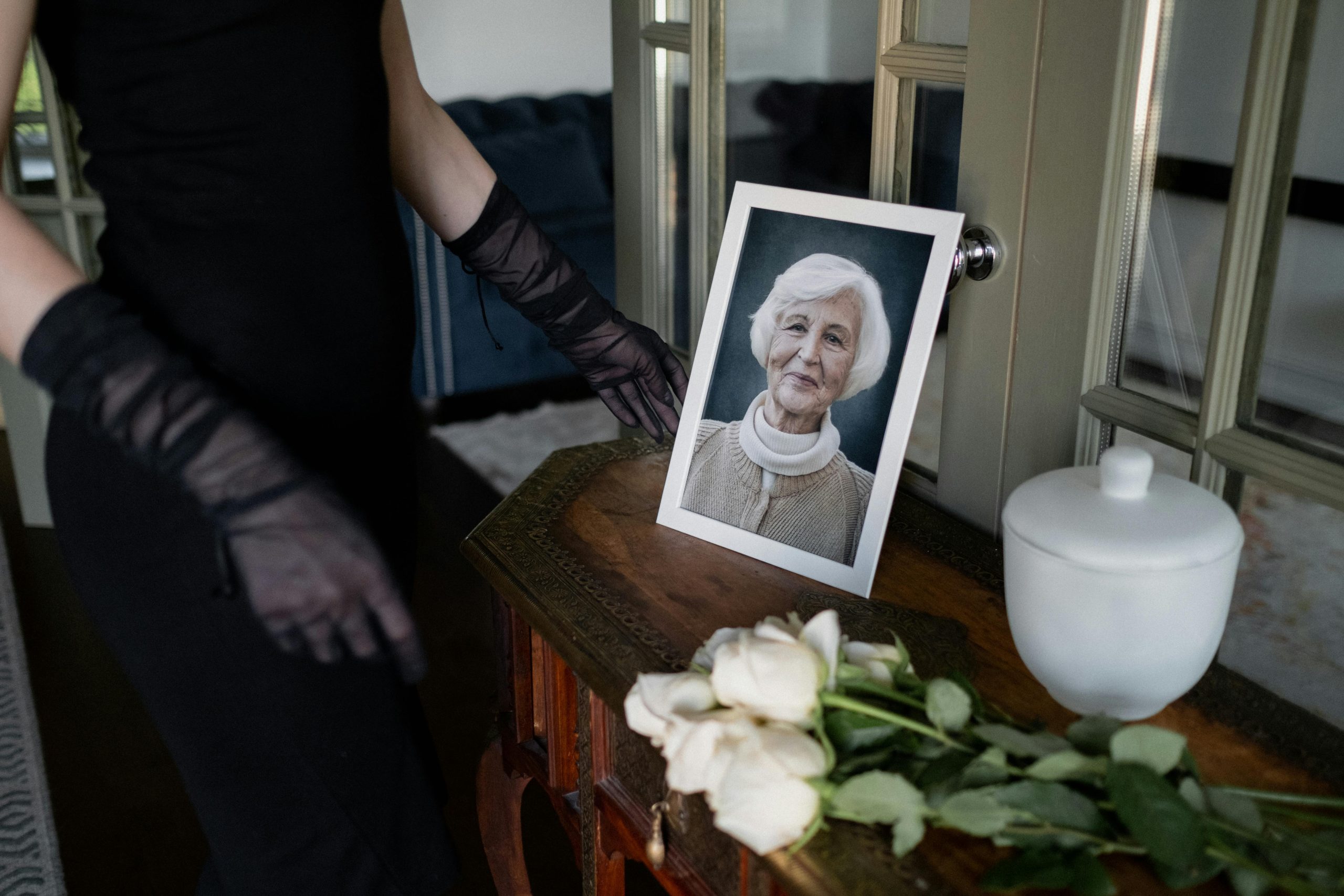
Cremation has become an increasingly common end-of-life option, reflecting changing cultural values, personal beliefs, and practical considerations. While traditions around death and remembrance vary widely, cremation offers flexibility that resonates with many families today. It allows individuals to honor loved ones in ways that feel personal, meaningful, and adaptable to modern lifestyles.
As families navigate loss, decisions surrounding final arrangements often involve emotional, spiritual, and logistical factors. Cremation continues to be part of these conversations, not as a replacement for remembrance, but as an evolving practice that supports diverse memorial preferences.
Reflecting Cultural and Personal Perspectives
Cremation holds different meanings across cultures and belief systems. In some traditions, it is viewed as a spiritual transition, while in others it is chosen for its simplicity and symbolism. Over time, cultural attitudes toward cremation have shifted, especially in societies where burial was once the dominant practice.
Today, individuals often consider cremation as a reflection of personal values rather than a strict tradition. This shift allows families to focus on commemoration practices that feel authentic, whether through formal services, private gatherings, or personal rituals. The adaptability of cremation makes it compatible with a wide range of cultural expressions.
Supporting Flexible Memorial Practices
One of the defining aspects of cremation is the flexibility it offers for memorialization. Services can be held shortly after a passing or delayed to accommodate travel, family schedules, or personal readiness. This flexibility can ease logistical stress during an already difficult time.
Memorials following cremation may take place in various settings, including funeral homes, places of worship, outdoor spaces, or private residences. Some families choose traditional ceremonies, while others prefer informal gatherings that reflect the personality of the individual being remembered. Facilities such as Laurel Hill West & Laurel Hill Funeral Home are often associated with spaces designed to support these varied approaches, offering environments where reflection and remembrance can occur in many forms.
Addressing Environmental Considerations
Environmental awareness has influenced many end-of-life decisions, including cremation. Some individuals view cremation as aligning with sustainability goals, particularly when paired with eco-conscious memorial options. While no method is without impact, cremation is often perceived as requiring less land use than traditional burial.
Additionally, families may explore environmentally mindful memorial practices, such as natural settings for remembrance or biodegradable urns. These choices reflect a growing desire to honor life while remaining conscious of environmental responsibility, blending personal values with broader ecological awareness.
Acknowledging Emotional and Practical Factors
Grief is deeply personal, and cremation can support emotional needs by offering families time and choice. The ability to plan memorials at a comfortable pace allows loved ones to process loss without immediate pressure. This can be especially meaningful when families are geographically dispersed or managing complex circumstances.
From a practical perspective, cremation often involves fewer immediate logistical requirements. This simplicity does not diminish the significance of remembrance but can reduce stress during an emotionally charged period. Over time, families may find comfort in the ability to commemorate their loved one in ways that evolve alongside their healing process.
Supporting Personalization and Legacy
Personalization plays a significant role in contemporary memorial practices. Cremation supports a wide range of commemorative expressions, allowing families to reflect on individuality and shared memories. This emphasis on personalization can help create meaningful connections between past, present, and future generations.
Some families incorporate storytelling, music, or symbolic gestures into memorials, focusing on celebration rather than formality. In many cases, remembrance spaces are designed to accommodate these personalized elements, providing settings that support both reflection and connection without prescribing a single approach.
Integrating Cremation Into Family Traditions
While cremation is often associated with modern practices, it can also be integrated into long-standing family traditions. Families may blend cremation with cultural rituals, religious observances, or heritage-based customs, creating a bridge between tradition and contemporary choice.
This integration allows cremation to become part of a broader narrative rather than a departure from family history. Over time, these blended practices can establish new traditions that honor both ancestry and evolving values, reinforcing continuity amid change.
Considering Cremation as a Thoughtful Choice
Cremation is not simply a practical decision but a deeply considered one that reflects personal beliefs, family dynamics, and cultural context. Its growing acceptance highlights a shift toward individualized approaches to end-of-life care and remembrance.
By offering flexibility, supporting personalization, and accommodating diverse perspectives, cremation continues to shape how families honor those they have lost. As conversations around remembrance evolve, cremation remains a meaningful option that adapts to the needs of modern families while respecting the significance of legacy and memory.
