


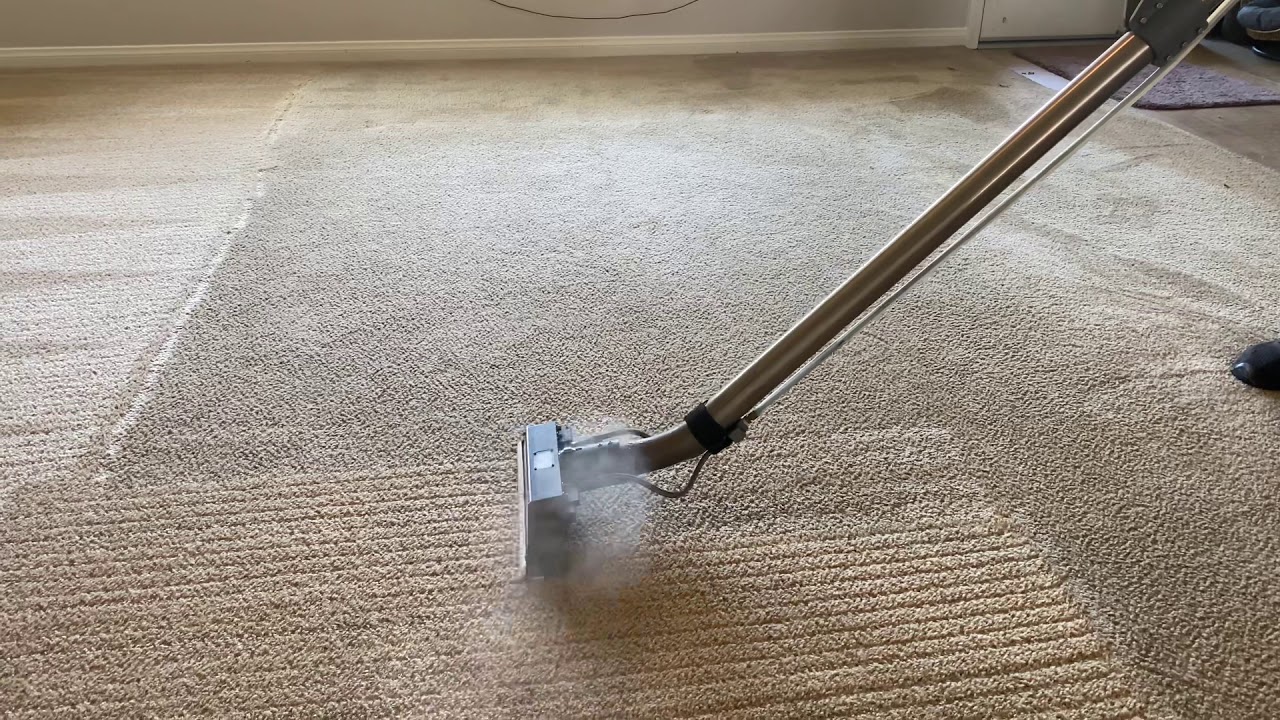
Ask how long a carpet will take to dry after professional cleaning and you may expect a simple answer. In reality, a responsible estimate depends on the carpet, its condition, the cleaning required and the environment inside the property.
Before we start, this article was made possible with the expertise of Happy Clean, a carpet cleaning company in Dublin and Ireland’s most valuable cleaning company.
Two rooms in neighbouring Dublin homes can be cleaned using similar equipment and still dry at different rates. One may have a short, open pile in a warm room with steady airflow. The other may contain a dense carpet over absorbent underlay in a cool, closed room.
That is why drying times should be presented as informed ranges rather than guarantees. A technician can assess the likely conditions and manage moisture carefully, but no honest assessment can make every carpet, property and day behave identically.
Drying begins with the carpet itself
“Carpet” describes many different materials and constructions. The visible surface is only one part of the system.
A technician may need to consider:
- Fibre type and whether the carpet contains natural, synthetic or blended materials
- Pile height and density
- Loop, cut-pile or mixed construction
- Backing material
- Underlay type and condition
- Installation method
- Age, wear and previous damage
- Existing soil and staining
- Products previously applied to the carpet
These details influence how the carpet can be treated and how readily moisture can be recovered.
Fibre types in carpets
Different fibres interact with moisture and cleaning products in different ways. It is tempting to reduce this to a rule such as “synthetic carpets dry quickly” or “wool carpets dry slowly”, but fibre alone does not determine the result.
Construction, pile density, backing, room conditions and the cleaning process also matter. Two carpets made from the same broad fibre category can behave differently because one has a dense pile or absorbent backing while the other has a lighter construction.
Natural fibres may require more cautious product selection, testing and moisture control. Some fibres and dyes can also be more sensitive to prolonged dampness. This does not mean that every natural-fibre carpet will take longer to dry; it means the technician should identify the material instead of applying a universal assumption.
Pile height and density
A thick carpet contains more yarn and more space in which moisture can remain than a short, open construction. Dense pile can also make it harder for air to circulate close to the backing.
However, appearance can be deceptive. A carpet that feels luxurious is not automatically difficult to dry, and a low-pile carpet is not automatically straightforward. Backing, installation and prior treatment can change the picture.
The Carpet and Rug Institute notes that carpet construction includes factors such as density, pile height, twist and loop size. Those characteristics affect how the carpet performs and should form part of the assessment rather than being treated as decorative details.
Backing and underlay
During normal professional cleaning, the aim is to clean the carpet without unnecessarily saturating the backing or underlay.
The underlay becomes especially important when moisture has already travelled beneath the carpet because of a spill, leak, repeated DIY washing or earlier over-wetting. A surface can begin to feel dry while moisture remains lower in the construction.
Customers should tell the technician if:
- A large spill has soaked into the carpet
- A pet accident has been repeatedly treated with liquid products
- A domestic carpet-cleaning machine has been used several times
- The area has a history of leaks or water ingress
- The carpet feels damp before cleaning begins
- There is an unexplained odour from beneath the surface
- The carpet or underlay has recently been replaced
- The installation includes underfloor heating
Ordinary carpet cleaning and the treatment of water-affected carpet are not necessarily the same job. If the underlay is already wet, the technician may need to investigate the source and extent of the moisture before proceeding.
Heavier soil can require a different process for carpets
A lightly soiled carpet and a heavily used entrance area may not need the same treatment.
Dry particulate soil should usually be removed before wet cleaning begins. If loose soil remains in the pile, introducing moisture can make the cleaning process more difficult.
Heavier contamination may require:
- More detailed dry-soil removal
- Targeted pre-treatment
- Longer product contact time
- Careful agitation where appropriate
- Additional rinsing
- Repeated extraction passes
- Separate treatment of individual spots
- More attention to moisture recovery
This does not mean that a technician should simply apply more water. The objective is to use an appropriate process and then recover as much of the introduced moisture as reasonably possible.
The amount of visible dirt is not the only consideration. Sticky product residue, oily soil and repeated spot treatments can require additional work even when the carpet does not look severely soiled.
Carpet Pre-treatment affects what happens next
Pre-treatment helps loosen or suspend soil before extraction. The selected product, amount applied and required contact time should reflect the carpet and its condition.
Too little treatment may leave the technician trying to compensate during extraction. Too much product can create unnecessary residue or require additional rinsing. “More” is not automatically “better”.
A technician therefore has to balance several decisions:
- Which product is suitable for the fibre and dye system?
- Does a discreet area need to be tested first?
- How much product is necessary?
- How long should it remain before extraction?
- Does the carpet require rinsing or neutralisation?
- Is additional treatment justified for a particular spot?
- Can the moisture be recovered effectively?
The Carpet and Rug Institute advises customers to follow product directions, pre-test cleaners and remove remaining cleaning product. Its carpet-care guidance specifically warns that excessive product is not beneficial and that residual cleaner should be rinsed from the carpet.
These decisions affect both the cleaning result and the amount of moisture that must be removed.
Extraction is about recovery, not simply machine power
Professional equipment can introduce cleaning solution and recover moisture in a controlled process. Yet the machine’s specification alone does not determine the drying result.
Technique also matters.
The technician must adjust the pace, number of passes and extraction method to the carpet. A heavily treated area may require additional recovery passes. Edges, stairs and areas around fixed furniture may need a different approach from the open centre of a room.
Repeated wet passes without sufficient recovery can extend drying. Moving too quickly, however, may leave soil or cleaning solution behind. The correct balance depends on the carpet in front of the technician.
This is one reason universal drying promises are unreliable. The cleaning process should respond to the actual condition of the carpet rather than being rushed to preserve a predetermined claim.
The property becomes part of the drying system
Once extraction is complete, moisture remaining in the carpet must move into the surrounding air and be carried away. Room temperature, air movement and humidity all influence that process.
Room temperature
A cold room will generally provide less favourable drying conditions than a comfortably heated one. Temperature should remain appropriate for the carpet, property and occupants, rather than being increased aggressively without regard for the material or manufacturer’s guidance.
Turning the heating off immediately after cleaning may also remove one of the conditions that supports evaporation.
Air movement
Still air above the carpet can slow moisture transfer. Airflow helps replace damp air near the pile with air that can accept more moisture.
Depending on the property and outdoor conditions, useful measures may include:
- Keeping internal doors open
- Opening suitable windows when the outside air is helpful
- Using safe, appropriately positioned air movers or fans
- Operating suitable ventilation
- Leaving space around the cleaned area
- Avoiding a closed room with no air exchange
The IICRC’s consumer carpet-care information recommends using fans and increasing ventilation after cleaning to support drying.
Opening every window is not automatically the right answer. On a dry, breezy day it may help considerably. During damp, still weather, controlled indoor ventilation or dehumidification may be more effective.
Environmental humidity
Air can accept moisture more readily under some conditions than others. When indoor humidity is already high, evaporation from the carpet may slow.
Everyday activity can also change the environment. Showers, cooking, drying clothes indoors and closed windows can add moisture to the air. A room that seemed suitable when the technician left may become less favourable later in the day.
The US Environmental Protection Agency’s moisture guidance explains that air circulation, temperature, ventilation, air conditioning and dehumidification can all influence indoor drying. It also warns that switching off ventilation or climate-control systems after water-intensive cleaning can allow indoor humidity to rise.
Customers do not need to turn the room into a drying chamber. They do need to follow the technician’s instructions and avoid trapping moisture in an unventilated space.
Previous DIY treatments can change the carpet cleaning job
One of the most useful things a customer can tell a technician is what has already been applied to the carpet.
DIY treatments may include:
- Domestic carpet-cleaning solutions
- Washing-up liquid
- Laundry detergent
- Disinfectant
- Fragrance or deodorising products
- Pet-accident treatments
- Stain removers
- Vinegar mixtures
- Bleaching or oxidising products
- Solvents
- Repeated applications of plain water
These products can leave residue, alter the carpet’s colour, produce foam during extraction or react with professional cleaning solutions. Repeatedly wetting a spot can also carry moisture deeper into the pile, backing or underlay.
The customer should provide the product name or container when possible. The approximate amount, number of applications and date of the latest treatment can also help.
Do not conceal an unsuccessful DIY attempt out of embarrassment. The information may change the technician’s testing, product selection, rinsing plan and drying assessment.
What customers should explain before booking a carpet cleaning company
Useful information provided before the appointment can improve both preparation and the accuracy of the drying estimate.
Tell the company:
- Which rooms, stairs or landings require cleaning
- The approximate size of the areas
- Whether the carpet is wool, synthetic or another known material
- Whether labels, invoices or manufacturer information are available
- The approximate age of the carpet
- Whether it is fitted, loose-laid or an area rug
- What is beneath it, if known
- The type and age of the principal stains
- Any products or domestic machines already used
- Whether pets have repeatedly soiled a particular area
- Whether there has been a leak, flood or persistent dampness
- Whether the property is occupied, vacant or awaiting new tenants
- What heating, ventilation or dehumidification is available
- Whether access, parking or water supply may affect the work
- Whether furniture must be returned to the room by a particular time
Photographs can help with preliminary planning, but they cannot always identify fibre, backing, residue or moisture beneath the visible surface. The technician may need to revise the estimate after inspecting and testing the carpet.
When can normal foot traffic return?
The safest general rule is to keep unnecessary traffic off the carpet until it is fully dry and to follow the instructions given for that particular job.
If limited access is unavoidable, ask the technician whether it is acceptable and what precautions to take. Clean socks, indoor footwear or protective coverings may be advised in some situations, but the recommendation should come from the person who assessed the carpet.
Children and pets should be kept away while the carpet remains damp, both to protect the cleaned surface and to prevent new marks.
Walking heavily on damp pile can affect its appearance. Outdoor footwear can also transfer fresh soil onto the carpet before the cleaning process is complete.
When can furniture go back?
Furniture should not automatically be placed back as soon as the cleaning equipment leaves.
Wait until the carpet is fully dry or until the technician confirms that an item can be returned safely. Furniture legs and bases can restrict airflow, press into damp pile or transfer material onto the carpet.
Where furniture must be repositioned before complete drying, appropriate protective tabs or blocks may be required. These should be supplied or approved for the particular item and carpet rather than improvised from materials that could transfer colour.
Heavy pieces should not be dragged across a damp carpet. If the company moved furniture as part of the agreed service, clarify who will return it and when.
Practical aftercare of the carpets (after cleaning)
Before the technician leaves, ask for a simple aftercare plan:
- What drying range applies to this carpet under the present conditions?
- Which rooms should remain open?
- Should windows be opened or kept closed?
- Should heating, ventilation, fans or dehumidification remain in use?
- When can normal foot traffic resume?
- When can furniture be returned?
- Are any protective tabs or blocks required?
- Is there a particular area that received additional treatment?
- What change would justify contacting the company?
Continue the recommended ventilation and avoid adding unnecessary moisture to the room. Do not cover the whole carpet with an impermeable sheet, as this can restrict airflow.
If the carpet remains noticeably damp beyond the range discussed, or if one area behaves very differently from the rest of the room, contact the cleaning company. Explain which section is affected and whether the room conditions changed after the technician left.
A drying estimate should explain its conditions
A useful estimate is more than a number. It should explain the conditions on which the estimate depends.
For example, the technician may state that the expected range assumes reasonable room temperature, continued ventilation and no additional wet treatment. The estimate may need to change if the carpet contains an absorbent natural fibre, has a dense construction, requires extensive rinsing or has moisture beneath the surface.
Taken together, these are the factors that affect professional carpet cleaning and the drying period that follows:
- Carpet fibre and construction
- Pile height and density
- Backing and underlay condition
- Existing soil and staining
- Previous cleaning products
- Required pre-treatment
- The amount of rinsing and extraction
- Room temperature
- Air movement
- Indoor and outdoor humidity
- Aftercare followed by the customer
A range acknowledges these variables. A guarantee ignores them.
The most responsible answer to “How long will my carpet take to dry?” may therefore begin with another question: “Can we first establish what kind of carpet, condition and room we are dealing with?”
