


Lighting is one of the most impactful aspects of home design, yet it is often overlooked. Proper lighting can transform a room, making it feel more spacious, inviting, and functional. Whether you’re working with a cozy apartment or a larger home, adjusting your lighting setup can make a huge difference.
Many homeowners focus on furniture and paint colors but forget that lighting plays a key role in setting the mood. Improving home lighting doesn’t always require a full renovation; small changes can have a significant effect. From natural sources to artificial fixtures, there are several strategies to brighten your space effectively. Understanding these options can help you create a warm and welcoming environment for both family and guests.
Maximize Natural Light
Natural light is the easiest and most energy-efficient way to brighten your home. Large windows, glass doors, and strategically placed mirrors can enhance the amount of sunlight that enters your space. Opening curtains or blinds during the day allows sunlight to fill your rooms, making them appear more spacious and cheerful.
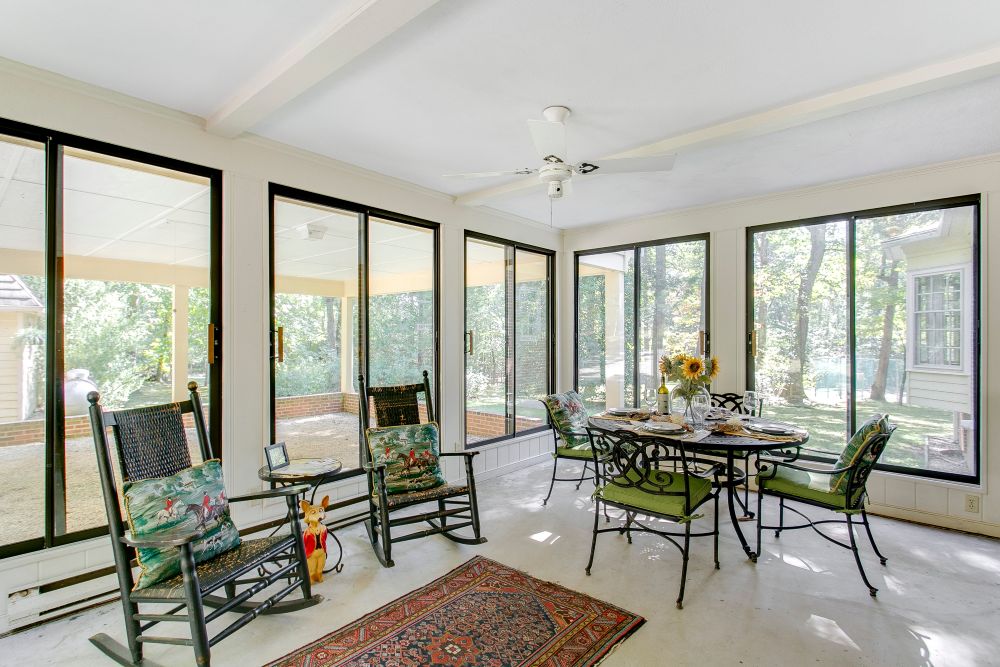
For areas with limited natural light, such as hallways or basements, consider using reflective surfaces or light-colored walls to amplify whatever sunlight is available. Installing skylights or building residential sunroom is another option for homes to have natural light. Even small adjustments, like trimming outdoor trees or shrubs, can also make a noticeable difference in how much light reaches your interiors. Embracing natural light not only improves visibility but also contributes to a healthier, more positive atmosphere.
Layer Your Lighting
A well-lit home often relies on a combination of different lighting types to create balance and flexibility. Layering lighting involves using ambient, task, and accent lights throughout your rooms. Ambient lighting can offer overall illumination, while task lighting concentrates on specific areas for tasks like reading or cooking. Accent lighting highlights decorative features or artwork. Using multiple layers allows you to adjust the mood and functionality depending on the time of day or activity. For example, a living room may have ceiling lights for general brightness, table lamps for reading, and wall sconces to showcase home decor lighting. This approach not only makes rooms more versatile but also visually appealing. By thoughtfully layering lights, you can ensure that every corner of your home is inviting and well-lit.
Upgrade Fixtures and Bulbs
Sometimes, improving lighting is as simple as updating fixtures and bulbs. Older fixtures may not distribute light efficiently, or their design might clash with your current interior style. Switching to modern, energy-efficient LED bulbs can instantly brighten a space while reducing energy costs. Consider choosing bulbs with a color temperature that matches the mood you want—warm light creates a cozy ambiance, while cooler light feels crisp and energizing.
Pendant lights, chandeliers, or floor lamps can also serve as stylish focal points while enhancing illumination. Even small changes, such as adding under-cabinet lights in the kitchen or bedside lamps, can make a big difference. Regularly checking and replacing outdated bulbs ensures your rooms maintain a consistent, welcoming glow.
Use Reflective Surfaces
Reflective surfaces are an easy and elegant way to increase brightness in your home. Mirrors, glass tabletops, and glossy finishes bounce light around a room, making it feel larger and more open. Placing a mirror opposite a window can double the effect of natural sunlight. Metallic accents, such as gold or silver frames, can also help distribute light subtly throughout a space. Even light-colored walls or furniture with a slight sheen contribute to reflecting ambient light. In smaller rooms or areas with limited windows, reflective surfaces can create the illusion of additional space and brightness. Combining reflective elements with proper lighting layers ensures a harmonious and luminous home environment.
Pay Attention to Color and Contrast
Color and contrast significantly affect how light is perceived in a room. Light-colored walls, ceilings, and floors reflect more light, making spaces feel brighter. Conversely, dark hues can absorb light, creating a cozy but sometimes dim environment. Using contrasting shades in furniture or decor can guide the eye and highlight specific areas, complementing the lighting design.
Even small additions, such as light-colored rugs, throw pillows, or curtains, can contribute to a brighter ambiance. Pairing color strategies with well-placed lighting ensures a visually appealing and functional space. This combination can transform your home into a more vibrant, welcoming environment for everyone.
Conclusion
Brightening your home can be simple yet highly impactful with the right lighting choices. From maximizing natural light to layering different fixtures, upgrading bulbs, and using reflective surfaces, even small adjustments can dramatically transform any space. Thoughtful and well-planned lighting not only improves functionality but also enhances the overall mood, comfort, and style of your home.
Incorporating elements like accent lighting or smart controls can add versatility and convenience, making your living spaces feel welcoming at any time of day. Whether you’re refreshing a residential sunroom or updating home decor lighting throughout your house, paying attention to light can truly elevate the look and feel of your home. With creativity and a few strategic changes, achieving a bright, inviting, and cozy atmosphere is completely within reach.
