


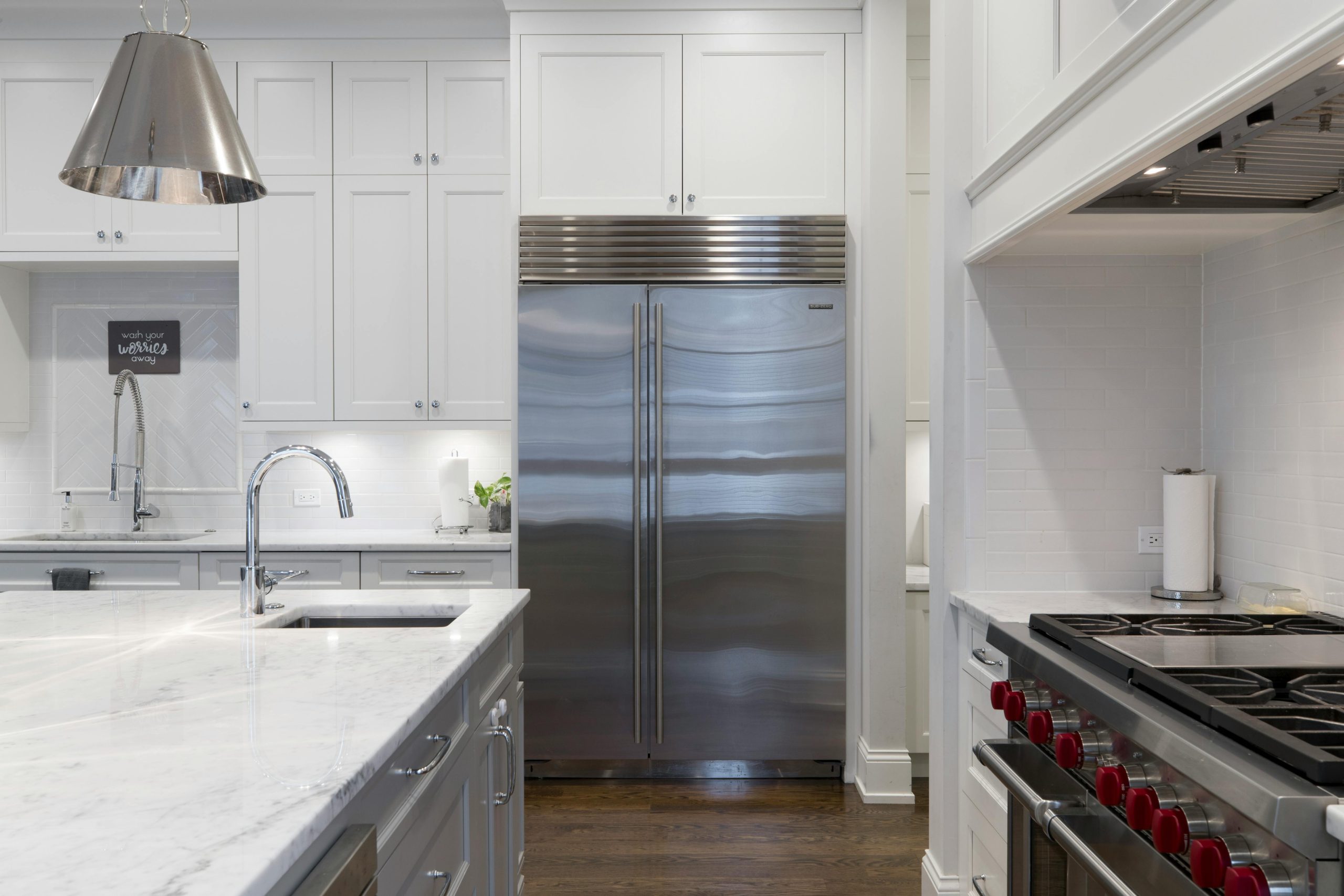
Buying a refrigerator is a decision that affects daily routines, energy use, and long-term household convenience. Because this appliance operates continuously, its performance, size, and features have lasting implications beyond initial purchase. While refrigerators may appear similar at first glance, meaningful differences emerge when considering storage needs, kitchen layout, and lifestyle habits. Taking time to evaluate these factors helps ensure that the chosen unit supports both functionality and efficiency over time.
Assessing Kitchen Space and Layout
One of the first considerations when buying a refrigerator is how it will fit within the existing kitchen space. Measurements should account not only for width and height but also for door clearance and surrounding cabinetry. In tighter kitchens, door swing direction and depth can significantly affect ease of movement and accessibility.
Beyond physical dimensions, layout plays an important role in usability. Some kitchens benefit from counter-depth designs that align flush with cabinetry, while others accommodate deeper units that prioritize storage. Transitional planning between preparation areas and refrigeration zones also supports smoother workflow, particularly in households with frequent cooking or shared use.
Evaluating Storage Needs and Capacity
Storage requirements vary widely depending on household size, cooking habits, and grocery routines. Some users prioritize fresh produce storage, while others rely more heavily on frozen items or beverages. Understanding these preferences helps determine internal configuration rather than focusing solely on overall capacity.
Interior flexibility is equally important. Adjustable shelving, dedicated drawers, and compartmentalized zones support better organization and food visibility. Over time, thoughtful storage design reduces waste by keeping items accessible and properly preserved. For buyers comparing multiple options, retailers such as Nino’s Trading Company often highlight internal layout distinctions that influence everyday practicality without emphasizing unnecessary extras.
Considering Energy Efficiency and Sustainability
Energy efficiency remains a critical factor when buying a refrigerator, given its constant operation. Modern models are designed to minimize electricity consumption while maintaining consistent temperatures. Choosing an energy-efficient unit supports lower utility costs and aligns with broader sustainability goals.
In addition to efficiency ratings, insulation quality and compressor technology influence long-term performance. Quiet operation and reduced heat output contribute to a more comfortable kitchen environment. As energy standards continue to evolve, selecting a refrigerator built with efficiency in mind helps future-proof the investment.
Comparing Cooling Technology and Performance
Cooling performance affects food freshness, safety, and shelf life. Advanced airflow systems help maintain uniform temperatures throughout the interior, preventing warm spots that can compromise perishables. Reliable temperature consistency is especially important for dairy, meats, and produce.
Humidity control also plays a role in preserving texture and flavor. Drawers designed for specific food types support optimal storage conditions without requiring constant adjustment. While technical specifications may vary, understanding the principles behind cooling performance allows buyers to focus on function rather than brand-driven claims.
Matching Design Aesthetics and Finish
A refrigerator often serves as a visual focal point within the kitchen, making design considerations more than purely cosmetic. Finish options such as stainless steel, matte surfaces, and panel-ready designs influence how the appliance integrates with existing décor. Choosing a style that complements cabinetry and fixtures contributes to a cohesive appearance.
Beyond finish, handle design and control placement affect usability. Clean lines and intuitive interfaces support both aesthetics and function. When browsing selections from suppliers, buyers may notice how subtle design differences influence visual harmony without altering core performance.
Balancing Features With Practical Use
Modern refrigerators offer a range of features intended to enhance convenience, from temperature zones to smart connectivity. However, not every feature adds meaningful value for every household. Evaluating how often a feature will be used helps avoid unnecessary complexity.
Practical considerations such as ease of cleaning, durability of shelving materials, and accessibility of controls often matter more over time than novelty additions. A balanced approach prioritizes features that support daily habits rather than those that simply add technological appeal.
Planning for Maintenance and Longevity
Long-term reliability is an essential consideration when buying a refrigerator. Build quality, availability of replacement parts, and ease of maintenance influence how well the appliance performs over years of use. Routine upkeep, such as cleaning coils and seals, helps extend lifespan regardless of model.
Warranty coverage and service accessibility also factor into ownership experience. While these elements may not be immediately visible, they play a key role in minimizing disruptions and repair costs. Selecting a refrigerator designed for durability supports consistent performance and long-term value.
Aligning Budget With Long-Term Value
While price is always a consideration, evaluating cost alongside performance and longevity provides a more complete picture. A lower upfront expense may lead to higher operating costs or earlier replacement, whereas a well-designed unit often delivers better value over time.
Balancing budget with efficiency, storage design, and reliability helps buyers make informed decisions without focusing solely on initial cost. Thoughtful evaluation ensures that the refrigerator supports household needs while remaining a practical, long-term investment.
