


Introduction
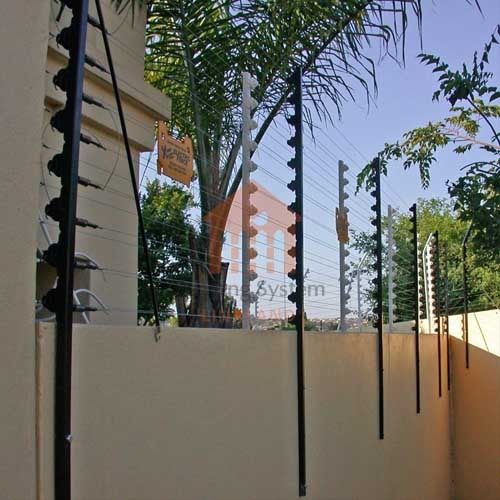
High-performance perimeter security often depends on tensioned sensor wires, whether part of acoustic cable systems, piezoelectric sensors, or fiber optic fence vibration sensor. Proper tensioning is critical: wires that are too loose may fail to transmit vibrations accurately, while overly tight wires can produce false alarms due to environmental factors like wind or thermal expansion. Achieving the right balance ensures optimal sensor sensitivity, accurate intrusion detection, and reliable perimeter protection.
The Importance of Proper Tension
Tension directly influences how mechanical vibrations are transmitted from the fence or barrier to the sensor. Key impacts include:
- Sensitivity: Correctly tensioned wires detect subtle intrusions, such as slow climbing or cutting attempts.
- False Alarm Reduction: Overly tight wires amplify minor environmental movements, while loose wires may fail to detect genuine breaches.
- Durability: Proper tension minimizes wear on sensors and mounting hardware, extending system longevity.
Best Practices for Tensioned Wire Installation
Determine the Correct Tension
- Follow manufacturer guidelines for optimal tension levels specific to the type of sensor wire and fence material.
- Use tensioning tools, such as spring-loaded or mechanical tensioners, to achieve consistent force along the fence line.
- Check tension at regular intervals to account for material expansion, contraction, or settling over time.
Uniform Distribution
- Ensure that tension is consistent across the entire length of the wire.
- Avoid areas of slack or excessive tightness, which can create blind spots or false alarms.
- Divide long fence lines into manageable segments for more precise control of tension.
Anchor and Support Points
- Secure wires firmly at posts or designated anchor points, maintaining proper spacing between supports.
- Use durable fasteners that can withstand environmental stress and maintain tension without loosening.
- Avoid sharp bends or contact points that could stress the wire or disrupt signal transmission.
Integration with Sensors
- Connect tensioned wires to acoustic, piezoelectric, or fiber optic sensors according to manufacturer specifications.
- Ensure that the wire’s vibration is transmitted effectively to the sensor without interference from loose attachments or external vibrations.
- Test sensor response after installation to confirm that intrusions are reliably detected and false alarms minimized.
Environmental Considerations
- Factor in temperature fluctuations, which can cause wires to expand or contract. Adjustable tensioners help maintain optimal sensitivity under changing conditions.
- Protect wires from wind or wildlife interference, which can create false readings if not properly tensioned and anchored.
- Periodically inspect the fence line and adjust tension as needed to maintain peak performance.
Advantages of Properly Tensioned Wires
- Enhanced Detection Accuracy: Subtle intrusions are reliably identified, improving overall perimeter security.
- Reduced False Alarms: Consistent tension minimizes environmental noise, ensuring alerts correspond to genuine threats.
- Improved Longevity: Properly installed wires reduce wear on sensors and supporting structures.
- Operational Efficiency: Security teams can focus on verified alerts rather than responding to preventable false alarms.
Applications
- Industrial Facilities: Protect warehouses, storage yards, and factory perimeters.
- Critical Infrastructure: Power stations, substations, and communication hubs benefit from accurate early warning.
- Correctional Facilities: Maintain reliable perimeter detection to prevent escapes or unauthorized access.
- Military Installations: Ensure sensitive zones are continuously monitored with minimal false positives.
Conclusion
Tensioned wires are a fundamental component of high-sensitivity perimeter security systems. Proper tensioning ensures that sensors receive clear, accurate vibration signals while minimizing false alarms caused by environmental factors. By adhering to best practices in installation, tension calibration, and maintenance, security professionals can maximize sensor sensitivity, improve detection accuracy, and maintain reliable, long-term perimeter protection. A taut and true wire is not just a component—it is the backbone of an intelligent, responsive security system.
