


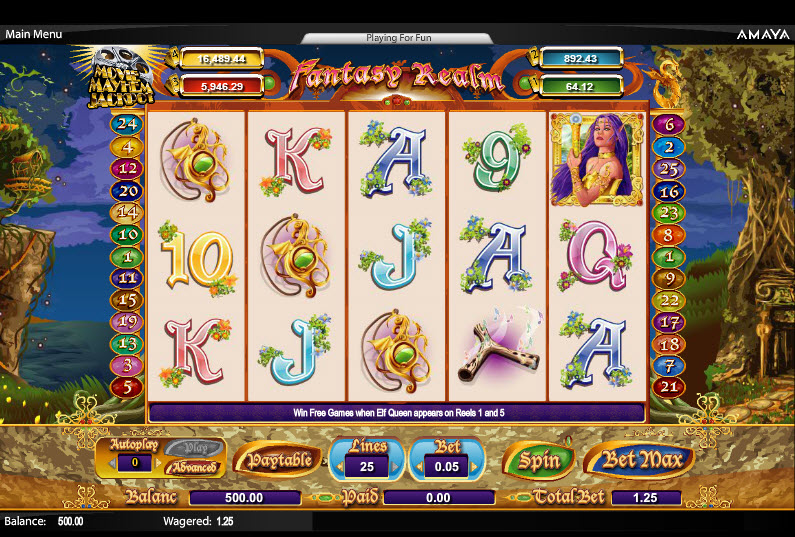
Slot machines are often seen as games of pure luck, but behind the flashing lights and spinning reels lies a complex system of mechanics and probability. The Science of Probability explores how slot games operate, why outcomes are random yet structured, and how GG999 understanding these mechanics can enhance both strategy and enjoyment.
Understanding Random Number Generators (RNGs)
At the heart of every modern slot, whether online or in a casino, is a Random Number Generator (RNG). This computer algorithm generates thousands of numbers per second, each corresponding to a possible reel outcome. When you press “spin,” the RNG selects a number that determines the position of the reels.
RNGs ensure that each spin is independent, fair, and unpredictable. Even if a slot has recently paid out a jackpot, the next spin has the same probability of winning as the previous one. This system guarantees fairness while maintaining the thrill of uncertainty.
The Role of Probability
Every slot symbol has a specific probability of appearing on a reel, which directly influences the odds of winning. Game designers use these probabilities to create a balance between small, frequent wins and rare, large payouts.
For example:
-
Common symbols: Appear frequently, providing small, regular wins.
-
Rare symbols: Appear less often, offering larger payouts when they align.
This careful calibration ensures that the game is entertaining while remaining profitable for both players and casinos.
Paylines, Multipliers, and Features
Slots are more than just spinning reels; they include paylines, multipliers, and bonus features that influence outcomes.
-
Paylines: These are the lines across the reels that determine winning combinations. Some slots have fixed paylines, while others offer flexible or “all-ways” systems.
-
Multipliers: Boost winnings, often triggered by special symbols or bonus rounds.
-
Bonus features: Free spins, cascading reels, and interactive mini-games increase excitement and the potential for higher payouts.
Understanding how these mechanics interact with probabilities helps players make informed choices about which games to play and how to engage with them strategically.
Volatility and Risk
Slots vary in volatility, also known as variance.
-
Low-volatility slots: Pay smaller amounts frequently, offering steady but moderate rewards.
-
High-volatility slots: Pay large jackpots less often, creating high-risk, high-reward gameplay.
RNGs ensure that outcomes remain random, but volatility affects how wins are experienced. Players can select games that match their risk tolerance, bankroll, and goals, turning probability into a practical guide for gameplay.
The Psychology of Perceived Patterns
Humans are naturally inclined to see patterns, even in random outcomes. Players often interpret near-misses, clustered wins, or bonus triggers as meaningful, even though each spin is independent. Recognizing the role of probability helps manage expectations and enhances enjoyment without relying on misconceptions about luck.
Conclusion
The Science of Probability reveals that slots are not just games of chance—they are carefully engineered systems based on mathematics, probability, and design. Random Number Generators, symbol probabilities, paylines, and volatility all work together to create excitement, suspense, and the potential for big wins.
Understanding how slot mechanics actually work allows players to approach games with insight, make smarter choices, and enjoy the thrill of the reels while respecting the role of chance. Knowledge of probability turns every spin from mere luck into a more engaging and strategic experience.
