


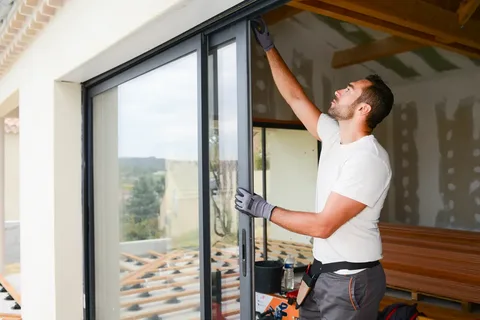
Installing new windows is one of the best ways to enhance your home’s comfort, beauty, and efficiency. Yet, many homeowners underestimate how complex the process can be. Window installation is not just about fitting glass into a wall opening—it involves precision, skill, and knowledge of building structure and insulation. Whether you’re upgrading for energy savings or improving your home’s curb appeal, understanding how window installation works will help you make the right decisions from start to finish.
Understanding the Role of Windows in Your Home
Windows do much more than provide a view of the outside world. They play a vital role in maintaining indoor comfort, regulating temperature, and protecting your home from weather conditions. Properly installed windows can reduce noise, lower energy bills, and prevent moisture damage. On the other hand, poorly installed windows can lead to drafts, leaks, and increased utility costs.
Knowing the importance of a secure and airtight installation will help you appreciate why hiring qualified professionals and selecting the right materials matter just as much as the style of the window itself.
Choosing the Right Type of Windows
Before the installation begins, the first step is choosing the right type of windows for your home. Different window styles serve different purposes. Double-hung windows are classic and easy to clean, casement windows open outward for excellent ventilation, and picture windows offer expansive views with minimal framing. Each design contributes to a unique aesthetic and functional benefit.
Equally important is the choice of materials. Vinyl windows are affordable and energy-efficient, requiring little maintenance over time. Wood windows bring warmth and a traditional appearance but need regular care to prevent decay. Fiberglass and aluminum options provide durability and modern appeal. The right material should fit your climate, design preferences, and maintenance expectations.
Preparation Before Installation
Once you’ve selected your windows, preparation becomes essential. Before installation begins, the area surrounding your old windows should be cleared of furniture, curtains, and wall décor. This ensures a smooth workflow for installers and protects your belongings from dust and debris.
Professional installers will start by assessing your existing frames and walls for any signs of rot, moisture damage, or structural issues. These problems must be addressed before placing new windows, as even small imperfections can cause long-term issues such as leaks or misalignment. Proper measurements are then taken to guarantee that the new windows will fit perfectly into the existing openings. Precision during this stage sets the foundation for a seamless installation process.
The Installation Process Explained
The installation process itself is a detailed series of steps that requires experience and accuracy. It begins with the careful removal of the old window. This includes detaching the sash, trim, and frame without damaging the surrounding wall or interior finishes. Once removed, the opening is cleaned and inspected to make sure it is free from debris and moisture.
Next comes fitting the new window. The installer places it into the opening, ensuring it’s level and square. This alignment is critical because even a small tilt can affect how the window opens and closes. After positioning, the installer secures the frame and fills any gaps with insulation materials to maintain energy efficiency. High-quality sealants and flashing are applied around the edges to protect against air and water infiltration.
Finally, the trim and finishing touches are added inside and outside the window to complete the look. The installer will then test the window to ensure it operates smoothly and locks securely.
What Happens After Installation
After installation, your new windows should feel tight and sturdy, without any noticeable drafts or gaps. A professional installer will typically review their work with you, explaining how to open, close, and maintain your windows properly. The area is cleaned, and all debris is removed, leaving your home looking refreshed and polished.
Inspect your new windows closely after installation. Check for even spacing, proper sealing, and ease of operation. If you notice any issues, report them immediately so they can be corrected before they become bigger problems.
Maintaining Your New Windows
Regular maintenance ensures your new windows stay beautiful and functional for years. Cleaning the glass and frames regularly prevents buildup that could affect performance. Wooden frames may require occasional painting or sealing, while vinyl and fiberglass frames can be cleaned with mild soap and water. It’s also wise to check the caulking and weatherstripping annually, especially after harsh seasons, to keep them in good shape.
Proper maintenance extends the life of your investment and helps your windows perform at their best in terms of energy efficiency and insulation.
The Value of Professional Installation
While do-it-yourself projects can be rewarding, window installation is best left to professionals. Experts bring precision tools, technical know-how, and experience that prevent costly mistakes. They ensure your windows comply with building codes and meet manufacturer specifications for warranties. Attempting installation without professional help could result in leaks, misalignment, or structural damage that diminishes the window’s lifespan and efficiency.
When hiring an installer, choose a licensed and insured company with strong reviews and proven experience. Clear communication and detailed estimates can help you avoid hidden costs and misunderstandings. A trustworthy contractor ensures not just proper installation but also peace of mind that your home improvement project will stand the test of time.
Companies with strong reputations for quality service illustrate the importance of working with experts who value precision, integrity, and long-term results. Choosing the right window companies in Tampa (or elsewhere) can make all the difference in your window installation experience.
Final Thoughts
Window installation is more than just a home improvement task—it’s an investment in comfort, beauty, and efficiency. Understanding each stage of the process helps you approach it with confidence, from choosing materials to maintaining your finished windows. With careful planning and skilled installation, your new windows can transform the atmosphere of your home, reduce energy costs, and increase overall value.
Whether your goal is to modernize your home, create a brighter interior, or improve insulation, knowing what to expect during window installation ensures your project is done right the first time. The result is a home that feels more inviting, energy-efficient, and ready to face every season with style and durability.
