


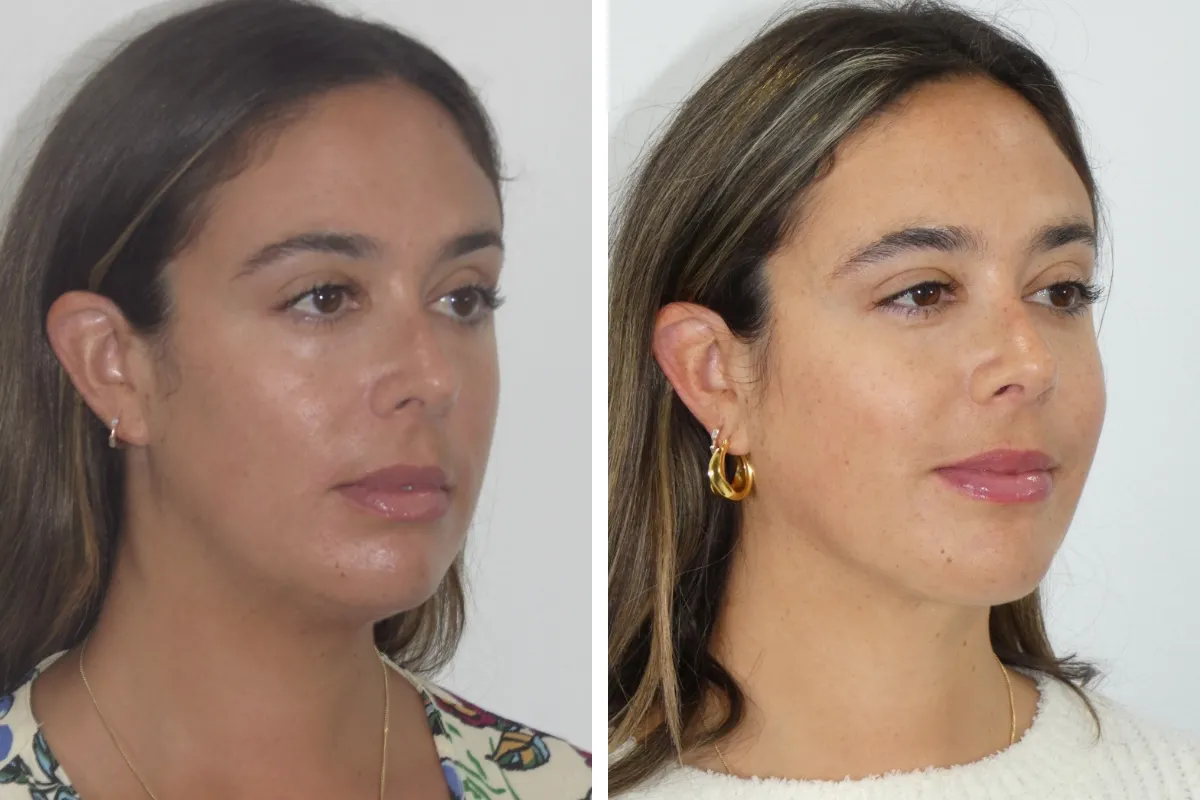
Liposuction is often presented as a quick way to achieve a slimmer, more sculpted appearance. Before-and-after photographs can make the procedure seem almost effortless, but the reality is more nuanced. Liposuction is a surgical body-contouring procedure designed to remove localized deposits of fat rather than serve as a replacement for weight loss, healthy eating, or regular exercise.
Contents
ToggleUnderstanding the difference between Liposuction expectations and reality is one of the most important parts of preparing for surgery. Patients who know what the procedure can and cannot accomplish are generally better positioned to make informed decisions and evaluate their results realistically.
Liposuction Is About Contouring, Not Major Weight Loss
One of the most common misconceptions is that liposuction is primarily a weight-loss treatment. In reality, its main purpose is to improve body contours by reducing stubborn areas of subcutaneous fat that may not respond as expected to diet and exercise.
A patient may notice a smaller waist, smoother thighs, or improved definition in another treated area, but the procedure is not intended to produce dramatic overall weight reduction. A person’s overall health, body composition, and goals should be evaluated before surgery to determine whether liposuction is appropriate.
Expect Improvement, Not Perfection
Patients sometimes enter surgery expecting a completely flawless body shape. That expectation can lead to disappointment even when the procedure produces a good result.
Liposuction can improve proportions and reduce localized fat, but natural bodies are not perfectly symmetrical. Minor differences between the two sides of the body can remain, and the final contour depends on factors such as existing anatomy, skin quality, fat distribution, and how the body heals.
A successful outcome should therefore be viewed as an improvement rather than a promise of perfection.
The Immediate Post-Surgery Appearance Can Be Misleading
One of the biggest differences between expectation and reality occurs immediately after surgery. Patients may expect to see their new contours as soon as the procedure is completed, but swelling, bruising, and fluid retention can temporarily make the treated area look larger or uneven.
During the early recovery period, the body needs time to heal. Swelling generally decreases gradually rather than disappearing overnight. As healing progresses, the underlying contour becomes easier to appreciate.
This is why judging the outcome too soon can create unnecessary anxiety.
Recovery Takes Time
Liposuction is surgery, so recovery should be taken seriously. Soreness, bruising, swelling, and temporary changes in sensation can occur following treatment.
Activity is generally limited during the early recovery period, with gradual increases based on the surgeon’s instructions. Some patients may return to work relatively quickly, while people with physically demanding jobs may require additional time away from work.
Recovery also varies according to the treatment area, amount of fat removed, overall health, and individual healing response.
Compression Garments May Be Part of the Process
Another reality patients should understand is that recovery may involve wearing a compression garment or other supportive dressing. These garments can be recommended to help manage swelling and support the healing tissues.
The exact duration varies between patients and procedures. Rather than assuming a standard timeline, patients should follow the specific instructions provided by their surgeon.
Skin Quality Matters More Than Many Patients Realize
Removing fat does not automatically mean that the skin will become perfectly tight and smooth. Skin elasticity plays an important role in the final appearance.
Patients with good skin elasticity may experience better natural retraction after fat removal. Individuals with significant loose skin, stretch marks, or reduced elasticity may require a different approach. In some cases, liposuction alone may not address excess skin adequately, and a separate skin-tightening or lifting procedure may be discussed.
This makes the preoperative evaluation especially important.
Results Develop Gradually
Patients searching for liposuction near me should focus on finding qualified medical care rather than simply choosing the closest provider. During consultation, it is important to discuss the desired outcome, medical history, treatment areas, potential risks, expected recovery, and whether the surgeon believes the requested result is realistic.
The final appearance does not develop immediately. Bruising and swelling gradually improve, and the treated areas may continue changing as healing progresses. Depending on the individual procedure, meaningful results may become increasingly apparent over several weeks, with some swelling lasting longer.
Fat Cells Are Removed, But Weight Can Still Change
Liposuction permanently removes fat cells from the treated areas, but it does not prevent future weight gain. Remaining fat cells can enlarge when a person gains weight, potentially changing the body’s overall proportions.
For that reason, maintaining a stable, healthy weight after surgery can help preserve the improvement achieved through body contouring. Liposuction should be viewed as one part of a broader approach to maintaining body composition rather than a permanent safeguard against weight gain.
Scars Are Usually Small but Still Possible
Because liposuction involves small incisions, patients should expect some degree of scarring. Surgeons generally place incisions in less noticeable locations when possible, but individual healing determines how visible scars ultimately become.
Patients should follow incision-care instructions carefully and discuss their personal tendency toward noticeable or raised scars during consultation.
Risks Should Not Be Overlooked
Although liposuction is commonly performed, it remains a surgical procedure with potential complications. Possible risks include infection, bleeding, fluid accumulation, changes in skin sensation, contour irregularities, asymmetry, poor wound healing, blood clots, anesthesia-related complications, and the possibility of needing revision surgery.
The amount of fat removed and the number of areas treated can also influence the complexity and safety considerations of the procedure. Patients should discuss their individual risk profile directly with their surgeon rather than relying on general claims about safety.
Choosing a Surgeon Is Part of Setting Realistic Expectations
The surgeon’s experience, aesthetic approach, and understanding of the patient’s anatomy can influence the treatment plan and expected outcome. During a consultation, patients should ask about the surgeon’s qualifications, experience with liposuction, expected recovery, potential complications, and examples of results involving similar body areas.
A thorough consultation should involve an assessment of overall health, previous surgeries, medications, body characteristics, and personal goals.
Questions Patients Should Ask Before Surgery
Before committing to liposuction, patients may want to ask:
- Am I a suitable candidate for this procedure?
- What specific areas can realistically be improved?
- What kind of result should I expect?
- How long might swelling and bruising last?
- When can I return to work?
- When can I resume exercise?
- Could loose skin affect my result?
- What complications should I understand before surgery?
- Could I need another procedure in the future?
- What instructions will I need to follow during recovery?
These questions can help turn general expectations into a more personalized understanding of the procedure.
The Reality: A Better Contour Requires Patience
The most realistic way to approach liposuction is to think of it as a body-contouring procedure with a gradual recovery process. The goal is not necessarily to become dramatically thinner or achieve an artificially perfect appearance. Instead, the procedure can help reduce selected areas of stubborn fat and create more balanced contours in appropriately selected patients.
The best results usually come from realistic expectations, careful surgical planning, patience during recovery, and a commitment to maintaining a healthy lifestyle afterward.
Conclusion
The gap between liposuction expectations and reality often comes from unrealistic ideas about instant results, dramatic weight loss, perfect symmetry, and effortless recovery. Understanding these differences before surgery can make the entire experience more predictable.
Liposuction can provide meaningful improvements in body shape, but the outcome depends on much more than fat removal alone. Skin elasticity, anatomy, healing, lifestyle, surgical technique, and realistic goals all contribute to the final result. By discussing these factors openly with a qualified surgeon before treatment, patients can make better-informed decisions and approach surgery with expectations grounded in reality.
