


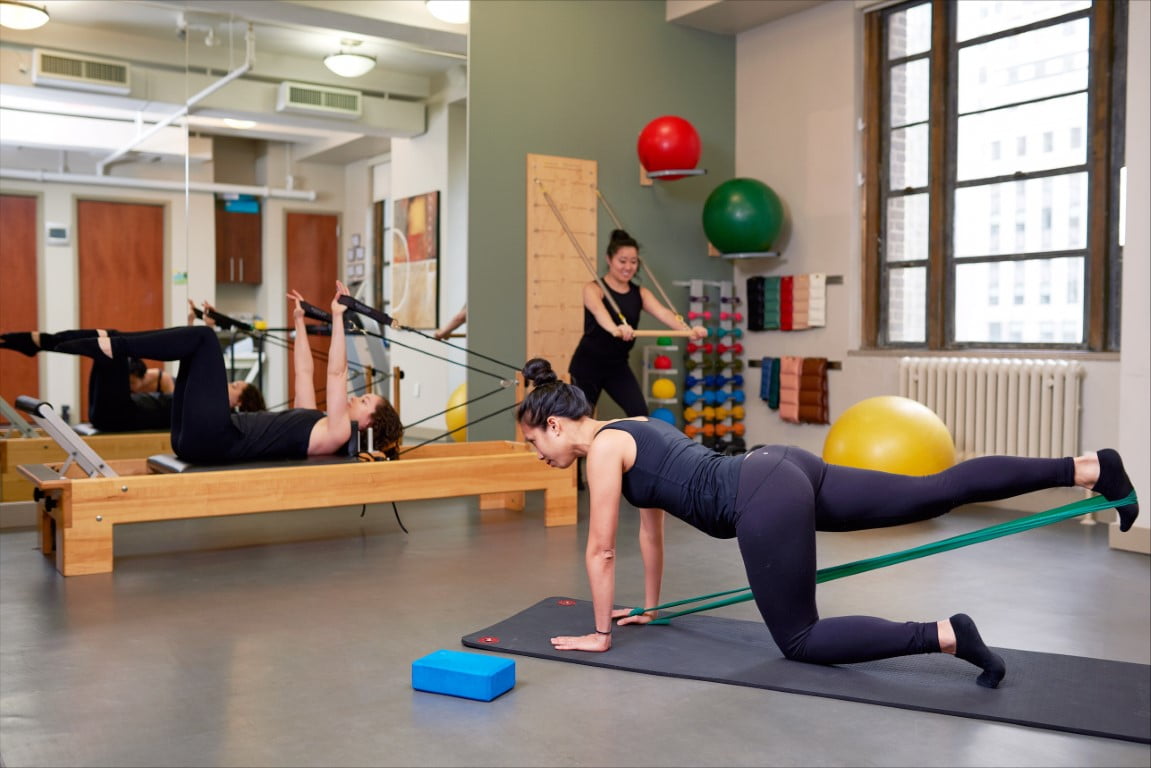
Pelvic health plays a vital role in supporting the bladder, bowel, reproductive organs, and core muscles. When the pelvic floor becomes weak, tight, or injured due to pregnancy, childbirth, aging, surgery, or certain medical conditions, it can lead to discomfort and reduced quality of life. Fortunately, pelvic health rehabilitation products provide effective support for recovery, muscle strengthening, pain management, and improved daily function.
These products are designed to complement pelvic floor exercises, physical therapy, and lifestyle modifications. Whether someone is recovering after childbirth, managing urinary incontinence, or addressing pelvic pain, the right rehabilitation tools can make treatment more comfortable and effective.
What Are Pelvic Health Rehabilitation Products?
Pelvic health rehabilitation products are specialized medical and therapeutic devices created to improve pelvic floor function. They assist with strengthening weak muscles, relaxing overactive muscles, improving coordination, supporting pelvic organs, and reducing symptoms associated with pelvic floor disorders.
Many healthcare professionals recommend these products as part of a personalized rehabilitation plan because they encourage consistent therapy and help individuals perform exercises more accurately. Research supports the use of selected rehabilitation aids alongside pelvic floor muscle training for appropriate patients.
Who Can Benefit from Pelvic Health Rehabilitation Products?
A wide range of individuals may benefit from these rehabilitation tools, including:
- Women recovering after pregnancy and childbirth
- People experiencing urinary or fecal incontinence
- Individuals with pelvic organ prolapse
- Patients recovering from pelvic surgery
- Men recovering after prostate surgery
- Individuals living with chronic pelvic pain
- Older adults experiencing age-related pelvic muscle weakness
Because pelvic floor dysfunction affects people of all ages and genders, rehabilitation products are becoming increasingly popular in both clinical and home settings.
Common Types of Pelvic Health Rehabilitation Products
Pelvic Floor Exercise Devices
Exercise devices are designed to improve muscle awareness and strengthen the pelvic floor. Many provide resistance or guidance during Kegel exercises, making workouts more effective than performing contractions without feedback.
These products are commonly recommended for improving bladder control, supporting postpartum recovery, and enhancing muscle endurance.
Biofeedback Trainers
Biofeedback devices monitor muscle activity and provide real-time feedback through visual displays or mobile applications. They help users identify the correct muscles and improve exercise technique.
This technology is especially beneficial for individuals who struggle to perform pelvic floor exercises correctly.
Electrical Stimulation Devices
Electrical stimulation units deliver gentle electrical impulses that activate weak pelvic floor muscles. These devices are often used under professional supervision or according to medical advice to help patients regain muscle strength and coordination.
Vaginal Dilators
Dilators are used to gradually improve tissue flexibility, reduce pain, and increase comfort during rehabilitation. They are frequently recommended for individuals recovering from surgery, childbirth, radiation therapy, or pelvic pain conditions.
Pelvic Support Devices
Support products, including pessaries and pelvic support garments, help relieve pressure caused by pelvic organ prolapse while allowing individuals to remain active during daily life.
Benefits of Using Pelvic Health Rehabilitation Products
When used correctly, pelvic health rehabilitation products offer numerous advantages:
- Strengthen pelvic floor muscles
- Improve bladder and bowel control
- Reduce urinary leakage
- Support recovery after childbirth
- Enhance muscle coordination
- Decrease pelvic pain
- Improve core stability
- Increase confidence during physical activities
- Support long-term pelvic health
Many rehabilitation programs combine these products with physical therapy, breathing exercises, posture correction, and healthy lifestyle habits for optimal outcomes.
Choosing the Right Rehabilitation Product
Not every rehabilitation product is suitable for every condition. The ideal choice depends on factors such as:
- Individual symptoms
- Medical diagnosis
- Age
- Previous surgeries
- Pregnancy or postpartum status
- Pelvic muscle strength
- Guidance from a healthcare provider
A pelvic health specialist or physiotherapist can recommend the safest and most effective rehabilitation tools based on a complete evaluation.
Tips for Safe and Effective Use
To achieve the best results:
- Follow manufacturer instructions carefully.
- Maintain proper hygiene before and after use.
- Begin with short therapy sessions.
- Increase intensity gradually as advised.
- Combine products with regular pelvic floor exercises.
- Attend follow-up appointments with your healthcare provider.
- Stop using any device if it causes significant pain or unusual discomfort and seek medical advice.
Consistency is often more important than intensity when it comes to pelvic rehabilitation.
Supporting Rehabilitation with Healthy Lifestyle Habits
Rehabilitation products work best when combined with healthy daily habits. Helpful practices include:
- Maintaining a healthy body weight
- Staying physically active
- Eating a high-fiber diet
- Drinking adequate water
- Avoiding chronic constipation
- Practicing proper lifting techniques
- Performing pelvic floor exercises regularly
- Managing chronic coughing when possible
These habits reduce unnecessary pressure on the pelvic floor and promote long-term recovery.
The Future of Pelvic Health Rehabilitation
Advancements in medical technology continue to improve pelvic rehabilitation. Modern devices now include smart sensors, wireless biofeedback systems, mobile app integration, and personalized exercise programs that make therapy more engaging and easier to monitor.
As awareness of pelvic floor disorders increases, rehabilitation products are becoming more accessible and better designed to meet the needs of diverse patient populations.
Conclusion
Pelvic health rehabilitation products have transformed the way pelvic floor disorders are managed. From exercise trainers and biofeedback devices to electrical stimulation units and supportive products, these tools help individuals recover more effectively while improving comfort, strength, and confidence.
When combined with professional guidance, regular exercise, and healthy lifestyle choices, pelvic rehabilitation products can play an important role in restoring pelvic function and enhancing overall quality of life. Choosing the right product and using it consistently can lead to meaningful improvements in both short-term recovery and long-term pelvic health.
