


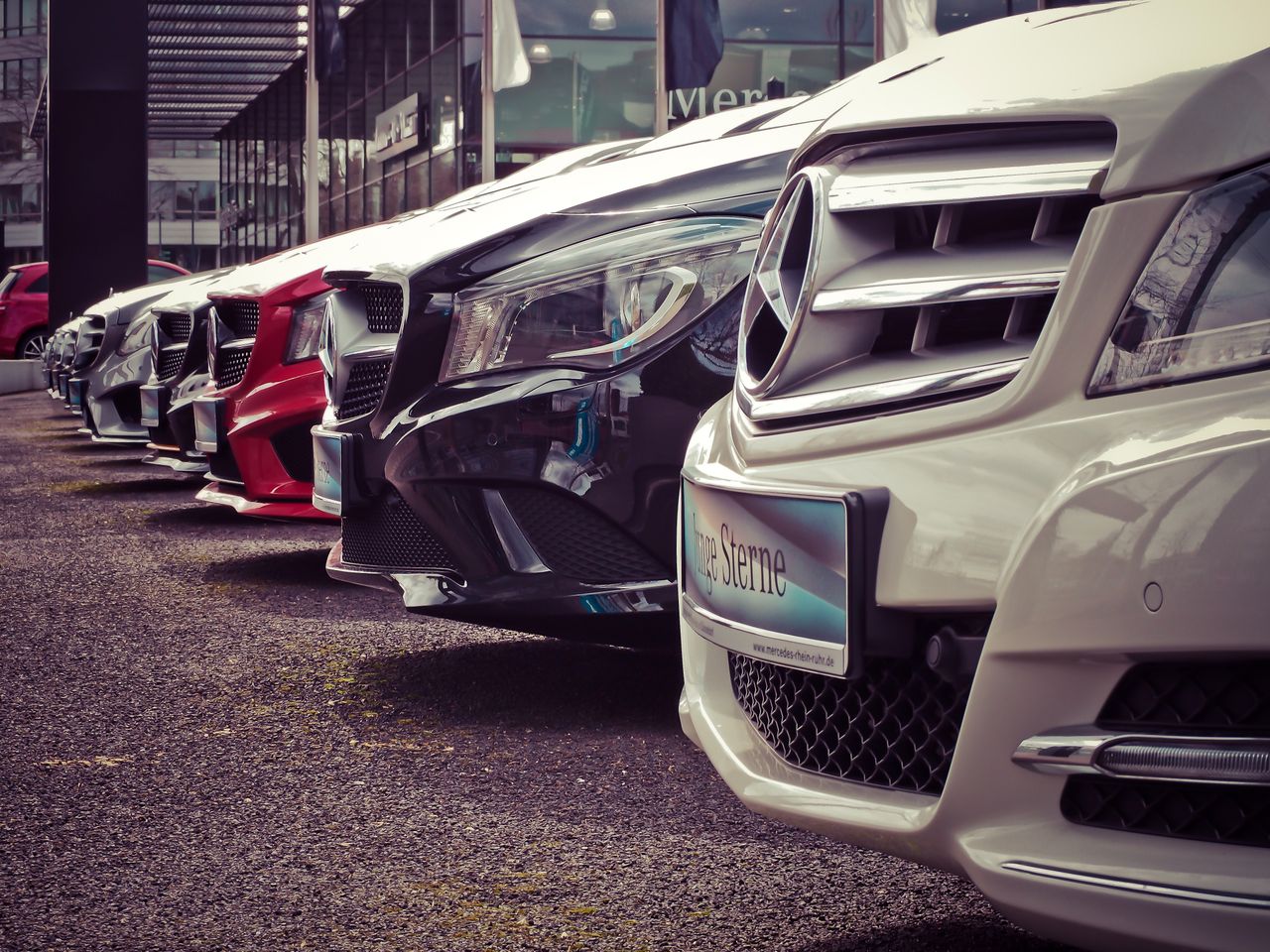
Buying a vehicle is rarely a one-size-fits-all decision. What works for a daily commuter looks nothing like what works for a family planning long road trips or a business owner hauling equipment.
Understanding the range of options available, along with what each type is actually built for, makes the process far less overwhelming. This article walks through several common vehicle categories, what buyers should expect from each, and where people typically go to find them.
Sedans
Sedans remain a common choice for daily use. They tend to offer good fuel efficiency and a compact size that makes parking and maneuvering easier in crowded areas. Trim levels vary widely, ranging from basic models to versions with added comfort features and technology packages.
Franchised dealerships, independent used car lots, and online marketplaces all carry sedan inventory, often from multiple sellers in the same area.
Motorcycles
Motorcycles offer a different kind of transportation experience. Riders should understand that licensing requirements and safety gear go well beyond what a standard car purchase involves.
Several categories exist, including cruisers, sport bikes, touring models, and dual sport options built for both pavement and unpaved trails. Specialized dealerships, private sellers, and online classifieds each offer their own way into the market.
Pickup Trucks
Pickup trucks are known for hauling and towing. Buyers often compare cab sizes and bed lengths to figure out which configuration fits their routines. Heavy-duty work is the priority for some models.
Others lean toward everyday driving with occasional hauling needs, and shoppers frequently turn to dealerships with dedicated truck inventory, along with auctions and fleet resale programs where used work vehicles surface.
SUVs
SUVs continue to attract buyers who want more interior space and a higher seating position. Sizes range from compact models suited to city driving to larger versions built for families or frequent long-distance travel. Many offer configurable seating and storage that shifts depending on the situation.
General dealerships, certified pre-owned programs, and online platforms, such as Classic Chevrolet of Denison, listing both new and used inventory, all serve this category well.
Minivans
Minivans are often chosen by families who need consistent passenger space. Sliding doors make daily loading and unloading easier.
Multiple rows of seating typically fold or shift to make room for cargo when needed, and practicality tends to take priority over performance or styling. Dealerships that carry family-oriented vehicles, along with resale listings from owners upgrading to something else, are common starting points.
RVs
RVs represent a completely different category, built for extended travel and temporary living rather than daily commuting. Motorized RVs combine the living space and the engine into one unit.
Towable RVs require a separate vehicle for transport. Interior layouts vary considerably, offering different combinations of sleeping areas, kitchen space, storage, and seating, and buyers typically explore specialty dealerships, such as RV Online, as well as RV shows and private sales, with some testing the waters through rental-to-own arrangements first.
Boats
Boats add another layer of consideration, since the purchase decision is tied closely to water conditions and storage needs. Smaller recreational boats suit lakes. Larger vessels are built for coastal or open water use.
Understanding the intended use, such as fishing or recreational cruising, helps narrow the decision, and boat dealerships, marinas, and online marketplaces dedicated to watercraft remain the primary places to compare what’s available.
Classic Cars
Classic cars attract a different kind of buyer, often someone drawn to automotive history or a specific model from an earlier era. Maintenance and parts availability require more attention than they would with a newer vehicle still in production. Condition, originality, documented history, and rarity all shape a classic car’s value.
Specialty auctions, dedicated classic car dealerships, and enthusiast communities that share listings among members tend to be where these vehicles surface.
Electric Vehicles
Electric vehicles have become increasingly common as manufacturers expand beyond a single model.
Charging options and battery range are worth understanding early, along with how those factors fit daily driving patterns. Some electric vehicles are compact and city-focused. Others take the shape of larger SUVs or trucks, and traditional dealerships, manufacturer-operated sales centers, and a growing number of certified pre-owned programs all offer access to this category.
Commercial Vans
Commercial vans serve business owners who need reliable cargo space for deliveries, equipment, or mobile services. Interior volume and configuration options, including shelving or refrigeration, tend to matter most in the decision. Some vans sit on a light-duty frame.
Others use a heavier-duty platform built for more demanding routes, and fleet dealerships, leasing companies, and auctions specializing in commercial resale are where business buyers typically look.
ATVs and Off-Road Vehicles
ATVs and other off-road vehicles are built for terrain that standard vehicles cannot handle, including trails, sand, mud, and uneven ground. These vehicles are often used seasonally rather than for daily transportation. Some models suit wooded trails.
Others are built for open desert terrain, and powersports dealerships, private sellers, and seasonal outdoor equipment retailers remain the most common sources.
Choosing the right vehicle comes down to understanding what a person actually needs day to day, along with what they want for specific trips or projects down the line. Some categories, like sedans or SUVs, fit easily into everyday routines.
Others, like RVs or boats, serve a more specific purpose tied to travel or recreation. Taking the time to learn what each type offers, and where to find it, makes it much easier to land on a vehicle that fits the way someone actually lives.
