


Bathrooms are no longer just functional spaces—they’re becoming smarter, more efficient, and more comfortable. One of the biggest upgrades homeowners are considering today is the smart toilet seat nz vs Traditional Toilets: What’s the Difference? debate. While traditional toilets have served households for decades, smart toilet seats are introducing a new level of hygiene, convenience, and modern living.
In this article, we’ll break down the key differences, benefits, and drawbacks so you can decide which option best suits your home.
Understanding Smart Toilet Seats and Traditional Toilets
Before comparing them, it’s important to understand what each option actually is.
What is a Smart Toilet Seat?
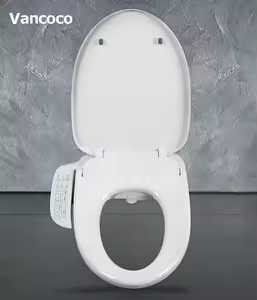
A smart toilet seat is an advanced toilet attachment or integrated system designed to enhance hygiene and comfort. It typically includes features such as:
- Heated seating
- Built-in bidet functions
- Automatic lid opening and closing
- Air drying systems
- Self-cleaning nozzles
- Deodorising systems
These features aim to improve cleanliness while reducing the need for toilet paper.
What is a Traditional Toilet?
A traditional toilet is the standard ceramic toilet found in most homes. It relies on toilet paper for cleaning and uses a simple flushing system without electronic or automated features. It is:
- Simple in design
- Easy to install
- Low maintenance
- Widely available and affordable
Smart Toilet Seat NZ vs Traditional Toilets: What’s the Difference in Features?
When comparing Smart Toilet Seat NZ vs Traditional Toilets: What’s the Difference?, the most noticeable gap is in functionality.
Hygiene and Cleanliness
Smart toilet seats offer a major advantage in hygiene. With built-in bidet sprays and minimal hand contact, they significantly reduce bacteria spread. Traditional toilets rely heavily on toilet paper, which may not always provide a thorough clean.
Comfort and User Experience
Smart seats often include heated seating and adjustable water pressure, making them especially comfortable in colder climates. Traditional toilets, on the other hand, remain basic with no added comfort features.
Technology Integration
Smart toilets may include:
- Motion sensors
- Remote controls
- App connectivity
- Energy-saving modes
Traditional toilets do not include any digital or automated systems.
Installation and Maintenance Differences
Smart Toilet Seat Installation
Installing a smart toilet seat can be more complex. It may require:
- Power supply access near the toilet
- Professional installation in some cases
- Compatibility checks with existing toilet bowls
However, once installed, they are generally easy to operate.
Traditional Toilet Installation
Traditional toilets are:
- Easier and faster to install
- Less dependent on electrical systems
- Cheaper in terms of setup costs
Maintenance is also simpler, with fewer components that can malfunction.
Water Usage and Environmental Impact
Sustainability is becoming increasingly important in modern homes, especially in New Zealand.
Smart Toilet Seats and Water Efficiency
Many smart toilet seats use controlled water jets that reduce overall water waste compared to traditional flushing habits and excessive toilet paper use. Some models are designed to be highly water-efficient.
Traditional Toilets and Resource Use
Traditional toilets rely more on:
- Toilet paper consumption
- Standard flush volumes
While newer traditional models can be water-efficient, they still lack the optimized cleaning systems of smart toilets.
Cost Comparison
Upfront Cost
- Smart toilet seats: Higher initial investment due to technology and features
- Traditional toilets: Much more affordable and budget-friendly
Long-Term Cost
Smart toilet seats may reduce costs over time by lowering toilet paper usage and improving efficiency. Traditional toilets, while cheaper upfront, may have ongoing costs related to paper and maintenance upgrades.
Which One Is Better for NZ Homes?
When considering Smart Toilet Seat NZ vs Traditional Toilets: What’s the Difference?, the answer depends on lifestyle and budget.
Choose a Smart Toilet Seat If You Want:
- High hygiene standards
- Modern bathroom upgrades
- Extra comfort features
- Long-term efficiency
Choose a Traditional Toilet If You Want:
- Lower upfront cost
- Simple installation
- Minimal maintenance
- Basic functionality
Pros and Cons Summary
Smart Toilet Seats
Pros:
- Advanced hygiene features
- Comfortable and modern
- Eco-friendly options available
- Reduces toilet paper usage
Cons:
- Higher cost
- Requires electricity
- More complex installation
Traditional Toilets
Pros:
- Affordable
- Easy to install
- Low maintenance
- Widely available
Cons:
- Limited hygiene features
- No added comfort
- Higher reliance on toilet paper
Final Thoughts
The decision between smart and traditional toilets comes down to priorities. If you value comfort, hygiene, and modern technology, smart toilet seats are a strong upgrade. However, if you prefer simplicity and affordability, traditional toilets still remain a reliable choice.
