


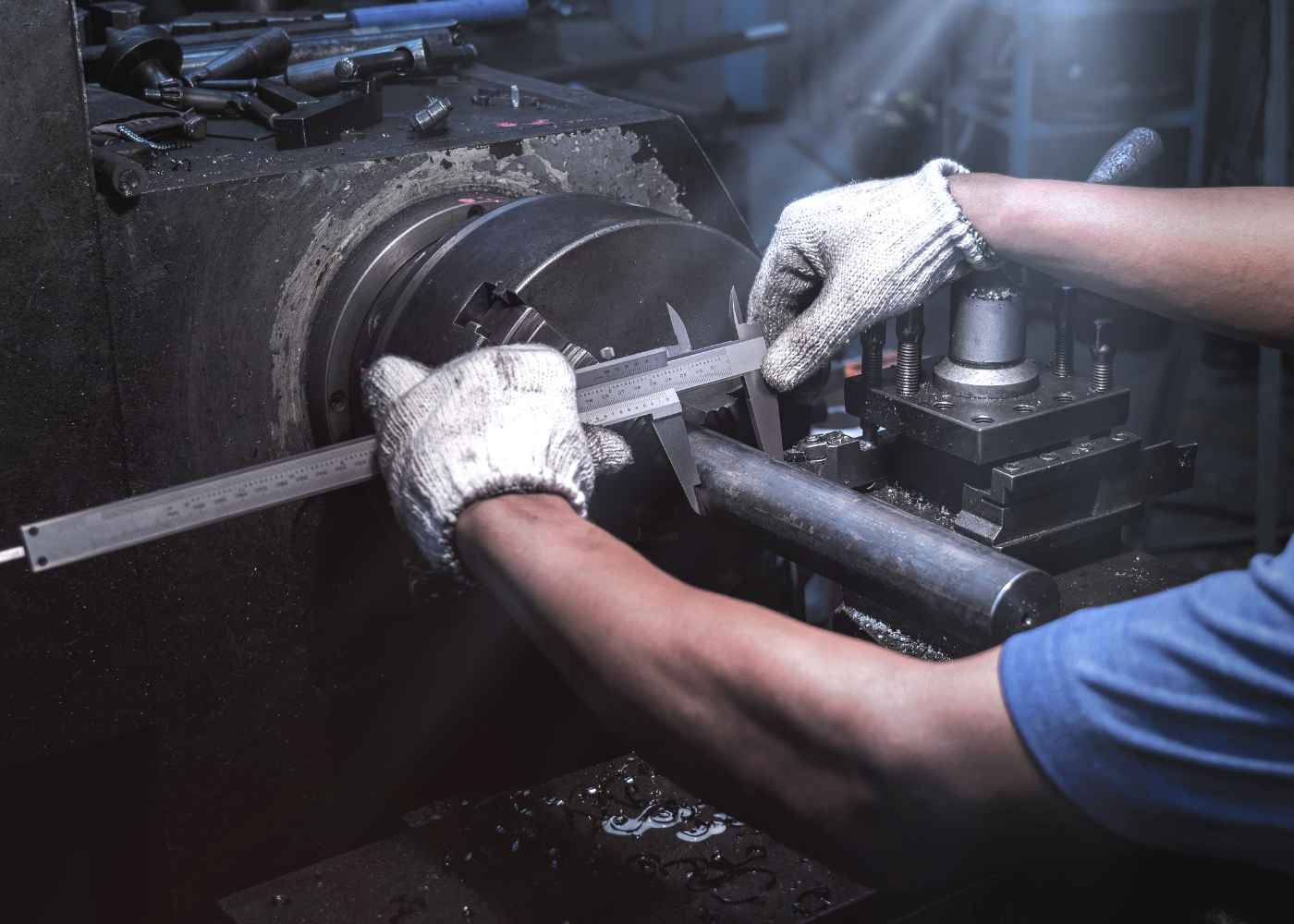
Metalworking operations require substantial capital equipment investments in machines, tooling, and precision instruments that production capabilities and product quality fundamentally depend upon throughout years of manufacturing activity, where equipment performance directly affects throughput, accuracy, operational costs, and competitive positioning.
The temptation to minimize initial capital expenditures through purchasing budget equipment or used machines appears financially prudent when comparing purchase prices, but total cost of ownership calculations accounting for productivity, maintenance expenses, downtime frequency, and service life often reveal that premium equipment delivers superior long-term value despite higher upfront costs that superficial financial analysis might suggest avoiding.
Understanding why quality metalworking equipment represents a long-term investment rather than a simple expense reveals how superior engineering, robust construction, precise tolerances, and manufacturer support create cumulative advantages that inferior alternatives cannot match, regardless of initial price differences that favor budget options when ignoring performance and longevity factors affecting total ownership economics.
Precision, Consistency, and Product Quality
Quality metalworking equipment maintains tight tolerances consistently across production runs, delivering repeatable accuracy that product specifications demand while avoiding the dimensional variations that inferior machines create through inadequate rigidity, imprecise controls, or thermal instability that temperature changes create when machine construction doesn’t adequately manage heat effects. This precision consistency reduces scrap rates, minimizes rework requirements, and ensures products meet specifications reliably rather than requiring constant adjustment, monitoring, and quality verification that imprecise equipment necessitates.
The quality advantages prove particularly critical for tight-tolerance work where dimensional accuracy directly affects part function, assembly compatibility, or customer acceptance that precision manufacturing contracts specify through exacting standards that only capable equipment can satisfy reliably. Jobs requiring precision that equipment capabilities cannot consistently deliver create quality problems, customer dissatisfaction, and potential contract losses that inadequate equipment causes through the inability to meet specification requirements.
Precision deterioration also occurs more rapidly with budget equipment that wears faster, loses calibration frequently, and develops mechanical looseness that gradually degrades accuracy throughout service life, compared to quality machines maintaining precision substantially longer through superior construction and component quality.
Operational Productivity and Throughput
Quality equipment operates at higher speeds, handles heavier cuts, and maintains performance during extended production runs that budget alternatives cannot match without excessive wear, overheating, or mechanical failures that frequent interruptions create. This productivity advantage accumulates substantially across weeks, months, and years of operation, where higher throughput from capable equipment generates revenue that slower, less capable alternatives cannot produce despite lower purchase prices.
The productivity differences also manifest through reduced setup times, faster tool changes, and operational efficiency that well-designed equipment provides through user-friendly controls, quick-change tooling systems, and ergonomic designs that minimize non-productive time between actual machining operations. These efficiency features accumulate significant time savings across numerous jobs and setups that production schedules demand.
Downtime from breakdowns or maintenance requirements also affects productivity substantially, with reliable quality equipment experiencing fewer failures and requiring less frequent service compared to budget machines that constant problems keep offline, reducing available production time that delivery schedules depend upon.
Maintenance Costs and Service Life
Quality metalworking equipment requires less frequent maintenance, experiences fewer breakdowns, and achieves longer service lives before replacement becomes necessary compared to budget alternatives that have higher failure rates, shorter component life, and premature wear make expensive to maintain while delivering shorter useful service periods. The maintenance cost differences often exceed purchase price savings that budget equipment initially provides, with accumulated repair expenses and lost production from downtime creating total costs exceeding what quality equipment would have cost, including both purchase price and maintenance throughout comparable periods.
Component availability also affects maintenance economics, with quality manufacturers supporting equipment through parts availability, technical documentation, and service networks that facilitate repairs when needed. Budget equipment often lacks adequate parts support, forcing extended downtime while sourcing components or engineering workarounds for unavailable parts that proper manufacturer support would have provided.
The service life extension that quality construction provides also delays capital replacement needs, reducing the frequency of major equipment investments that production capabilities require maintaining through either keeping existing equipment operational or purchasing replacements when capabilities deteriorate beyond acceptable performance levels.
Expert Guidance and Application-Specific Solutions
Metalworking equipment selection requires understanding specific production requirements, material characteristics, tolerance demands, and operational constraints that appropriate machine specifications must address for optimal performance. When investing in metalworking equipment, working with knowledgeable providers like Westwood Metal Technologies ensures access to expert consultation, matching equipment capabilities to actual production needs rather than purchasing based solely on specifications without understanding how different machines perform in real-world applications that production demands create.
The application expertise also extends to tooling selection, setup optimization, and ongoing technical support that maximizes equipment productivity throughout service lives rather than simply providing machines without the knowledge transfer and continuing assistance that successful implementation requires.
Technological Capability and Future Adaptability
Quality equipment often incorporates advanced capabilities, including CNC controls, automation interfaces, and upgrade paths that future production requirements might demand as customer needs evolve or as manufacturing techniques advance. This technological foundation provides adaptability that budget equipment lacking these capabilities cannot match without complete replacement when capabilities beyond basic machining become necessary.
Quality metalworking equipment represents a sound long-term investment through precision consistency, superior productivity, reduced maintenance costs, extended service life, expert selection guidance, and technological adaptability that collectively deliver value exceeding budget alternatives despite lower initial purchase prices.
